



"Fears of Maoist infiltration into Odisha as neighboring Chhattisgarh increases operations."
As per the Centre's suggestion, the Odisha government has raised three battalions of the Odisha Special Striking Force (OSSF), consisting of ex-servicemen, to participate in anti-Maoist operations.
 Arpit Pattnaik

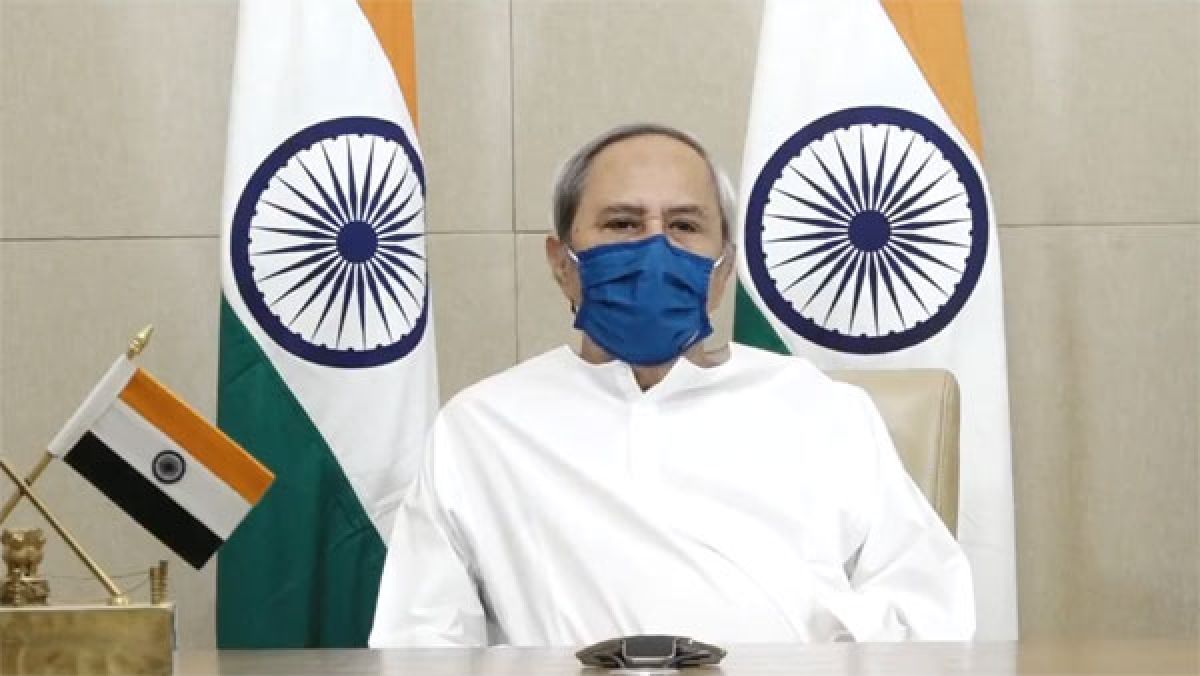
The Odisha government is gearing up for a potential influx of Maoist insurgents from Chhattisgarh as the neighboring state intensifies its anti-Naxal operations with the deployment of Central Armed Police Forces (CAPF). Odisha's Chief Minister Mohan Charan Majhi expressed concerns about the possible movement of Left-Wing Extremism (LWE) cadres from Chhattisgarh to Odisha and their potential relocation within the state. This statement follows the recent killing of 31 Maoists by security forces in Chhattisgarh's Abujhmad.
In response to the situation, Chief Minister Majhi has requested 12 companies of CAPF, each comprising around 100 personnel, and a dedicated helicopter for a two-year deployment. Despite a reduction in Maoist activities in most areas of Odisha, there are ongoing concerns about LWE-related activities in the Kandhamal-Boudh-Kalahandi axis.
The Centre has withdrawn 27 out of the 96 companies of CAPF troops deployed in Odisha, with further withdrawals under consideration due to the limited presence of Maoist activities in the state. To address the situation, the Odisha government has raised three battalions of the Odisha Special Striking Force (OSSF) comprising ex-servicemen and plans to raise three more battalions. The Chief Minister has urged the Union Home Minister not to withdraw central forces until the newly recruited forces are deployed on the ground.
Additionally, Odisha has requested the deployment of at least 12 companies of CAPF for a period of two years in LWE-affected areas to prevent infiltration and eliminate Maoist presence within a specific timeframe. The state government also intends to launch a new scheme called Gramodaya, which will integrate over 40 schemes to provide basic infrastructure and services to all villages in LWE-affected areas, emphasizing the development of these regions.