



Young tusker succumbs to pellet injuries in Cuttack
Young tusker succumbs to pellet injuries in Cuttack
 admin
admin
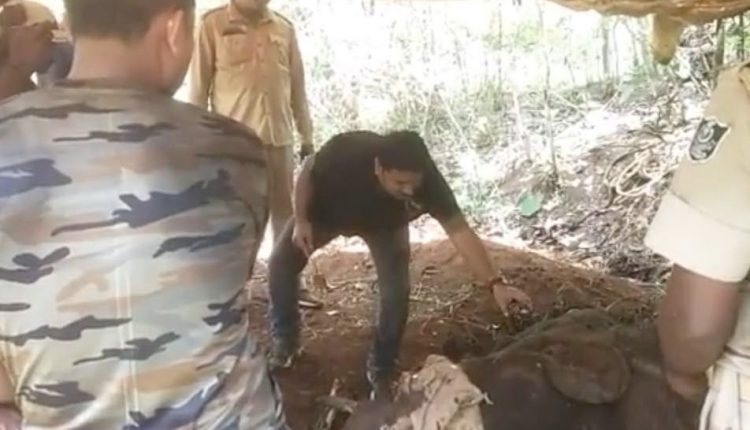
Cuttack: The elephant, which suffered multiple gunshot wounds in Odisha's Cuttack district, died on Tuesday despite veterinary specialists' treatment.
Last Tuesday, a 10-year-old tusker was sighted fighting for his life in the Narasinghpur forest area of the Athagarh forest division in Cuttack district. After Badamba MLA Debi Prasad Mishra brought the tusker to the attention of Forest Minister Pradip Amat in a Facebook post, a team of veterinary doctors from Bhubaneswar's Nandankanan Zoo raced to the scene to cure it.
The elephant had been shot in six separate locations on his body, including his trunk, face, and leg, according to the veterinary professionals. The elephant died while being treated in the forest range, according to Ranger Prafulla Dehuri.
Since April 2010, at least 133 elephants have been poached or poisoned, 144 have been electrocuted, 36 have been mowed down by trains, and 6 have been murdered by speeding vehicles on the road in Odisha.
During a press conference, the Wildlife Society of Orissa (WSO) and Animal Welfare Trust Ekamra, Odisha, reported this. According to the two organisations' wildlife activists, a total of 947 elephants perished during that time, with 426 of them dying due to natural causes.
In a number of recent cases, they accused the Forest Department of seeking to conceal elephant remains or cover up the cause of an elephant death. "Though concealing an elephant death is tough, the Forest Department appears to have mastered the art of how to conceal or cover up elephant deaths and mislead the public on the true reason of death," they stated.
They went on to say that the fear of being suspended for dereliction of duty prevents lower-level employees from reporting an unnatural death because the division's leaders do not offer any assistance or create trust. Veterinary doctors and pathologists who perform post-mortems or test blood and viscera samples, with the exception of a few, follow advice from the Range Officer or DFO and cite "safe" reasons for elephant fatalities, obfuscating the true cause of death, they noted.
For the past seven years, WSO has tried unsuccessfully to persuade Project Elephant and the Forest Department to implement the NTCA-recommended process for tiger deaths. To maintain openness, every tiger death post mortem is video filmed and completed in the presence of at least two independent wildlife experts/conservationists.
They suggested that having impartial observers present during the post mortem will prevent such errors.